Loading...
Serving Marshall, TX and surrounding areas. (430) 214-0042
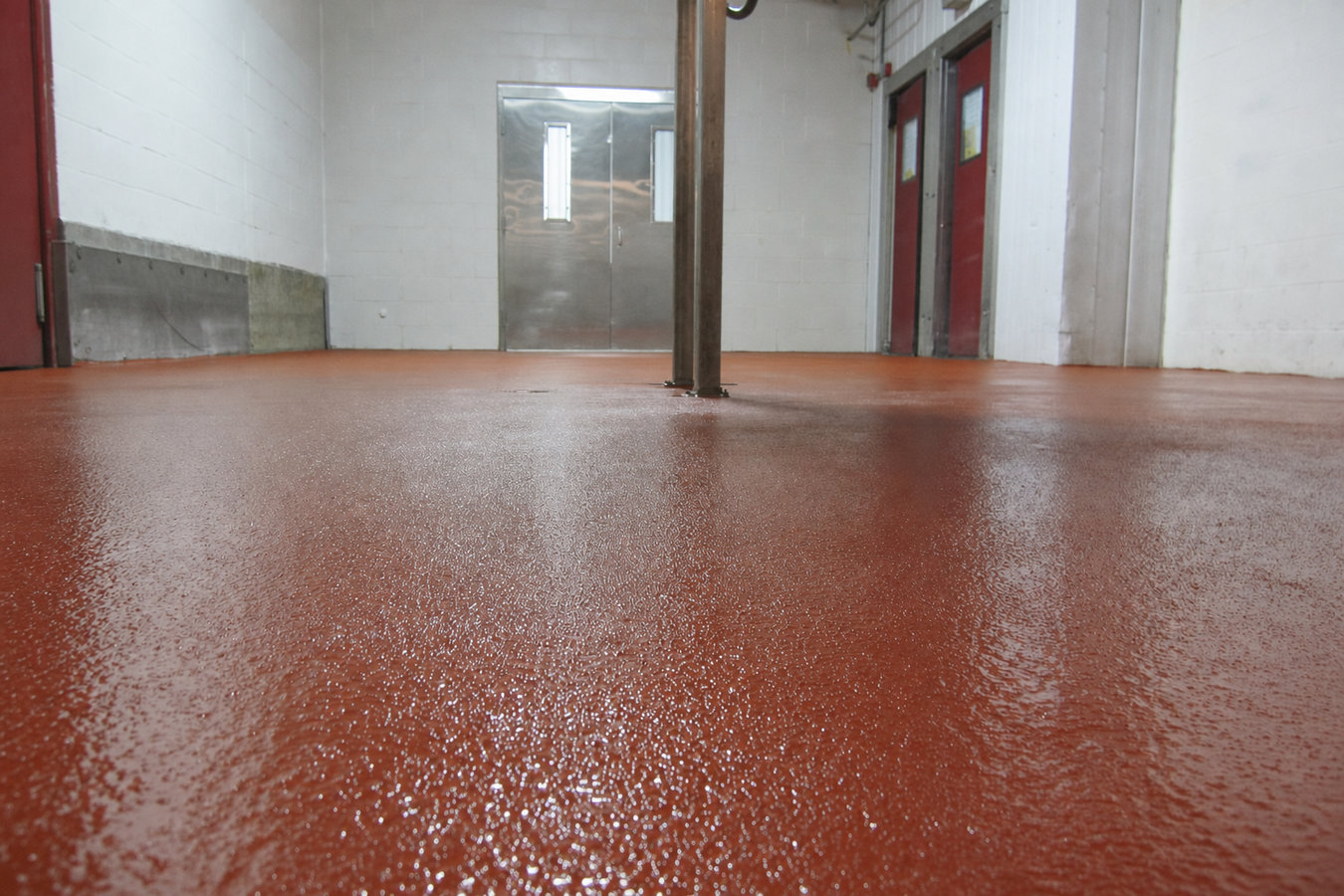
Standard floor coatings fail in East Texas because of moisture and heat. Urethane cement is engineered for exactly those conditions - giving you a seamless, durable floor that holds up to whatever you put it through.
Urethane cement flooring in Marshall, TX is a thick multi-layer poured coating that bonds directly to concrete - combining cement with a tough resin to create a seamless, durable surface that handles heat, moisture, and heavy traffic, with most residential jobs completed in one to two days of application plus a 5 to 7 day cure before full use.
If you have ever had a standard floor coating start peeling in your garage or utility space, moisture coming up through the slab is almost always the cause. Urethane cement systems are specifically designed to handle higher moisture levels than standard epoxy - which is why they are the better long-term choice for many Marshall homes. For spaces where a decorative finish matters alongside durability, many homeowners pair urethane cement as the base with a commercial-grade epoxy finish coat on top.
The seamless surface is also genuinely hygienic - no grout lines, no gaps, nowhere for mold or bacteria to hide. That makes it popular in food-prep spaces and laundry rooms where Marshall's humidity creates real mold risk on traditional flooring.
If you have patched cracks in your garage or utility room floor before and they keep reappearing, that is a sign the slab is moving - likely from the clay-heavy soil common in Harrison County. Urethane cement, applied after proper crack repair, creates a surface flexible enough to handle minor movement better than bare concrete can.
Bare concrete naturally sheds fine powder over time, especially older slabs. If you notice a gritty film on your floor no matter how often you sweep - or on anything stored on it - the surface is degrading. A sealed urethane cement coating stops that process and makes the floor easy to actually keep clean.
White deposits on your concrete - called efflorescence - mean moisture is moving up through your slab from the ground below. This is especially common in Marshall after heavy rain. Left unaddressed, that moisture will damage anything stored on the floor and can contribute to mold growth in enclosed spaces.
If a previous epoxy or paint coating is lifting in patches, moisture coming up from below is almost certainly the cause - a very common problem in East Texas homes. Urethane cement systems are designed to handle higher subsurface moisture than standard epoxy, making them a better long-term solution for this region.
Every urethane cement project starts with the same non-negotiable steps: surface preparation by grinding or shot blasting, moisture testing, crack repair, and a written quote that covers everything. What varies is the system and topcoat chosen for the space. For residential garages and utility rooms, we typically use a two to three coat system that builds the right thickness for the expected traffic. For spaces that also need a polished or finished look, we often combine the urethane cement base with a polished concrete or decorative topcoat - giving you the durability of urethane cement with a finish that does not look industrial.
For homeowners whose main concern is moisture and who are converting a garage or basement into a usable space, the urethane cement system is often paired with the same commercial and industrial epoxy standards we use for business clients - because Marshall residential slabs often have the same moisture and clay-soil challenges as commercial sites.
The right choice for garages, basements, and utility rooms that need durability and moisture resistance without a decorative finish.
Best for kitchens, laundry rooms, and any area that sees regular moisture - the textured finish reduces slip risk without sacrificing cleanability.
For homeowners who want the moisture and thermal resistance of urethane cement combined with a polished or colored finish.
For home workshops, light commercial spaces, or any floor that will see heavy equipment, rolling loads, or frequent chemical exposure.
Marshall averages around 47 inches of rain per year, well above the national average, and that moisture works its way into the ground and under concrete slabs. The clay-heavy soil across Harrison County swells when wet and shrinks when dry, putting stress on slabs year-round. That combination - high rainfall, high humidity, and expansive soil - is exactly why standard floor coatings fail more often here than in drier markets. Urethane cement is built for it. Homeowners in Longview and Henderson face the same conditions, and the same preparation standards apply on every job we do across the region.
Marshall also has a significant share of homes built in the 1950s through 1980s. Slabs in that age range often have surface deterioration, old adhesive residue, and moisture damage that takes more prep time to address properly. We factor all of that into your written estimate before work starts. Fall and spring are the most predictable seasons for installation here - summer heat speeds up curing in ways that require more careful product and timing choices - so getting on the calendar before the busy seasons is a practical move. The Portland Cement Association and the National Sanitation Foundation both publish guidelines on surface prep and hygienic flooring that inform how we approach every project.
We ask what kind of space it is, roughly how big, and what you are seeing right now. This is not a sales call - it is how we figure out what to look for when we come to the site. You do not need all the answers ready.
We come to your home, check the slab for cracks and moisture, and look at any existing coatings or damage. A contractor who quotes you without seeing the floor is guessing. You receive a written estimate that breaks out labor, materials, and prep separately.
We grind or shot-blast the concrete surface, repair all cracks with a patching compound suited to East Texas slab movement, and let repairs cure. This phase can take a few hours to a full day depending on slab condition. We do not rush it.
The coating goes down in layers, each cured before the next. Light foot traffic is possible within 24 to 48 hours. Full use - heavy equipment, vehicles - requires the full 5 to 7 day cure window. We walk the finished floor with you and leave written care instructions before we go.
Written quote after an in-person site visit. No pressure, no guessing - we test the slab first.
We test every Marshall slab for moisture before any coating goes down. Skipping this step is the main reason floor coatings fail in East Texas, and we are not interested in doing a job twice. If moisture levels are elevated, we address it with a barrier primer before the urethane cement goes on.
Marshall summers push above 95 degrees regularly, and that heat affects how coatings cure. We schedule pours for early morning during summer months and adjust product formulations when needed. A contractor who does not mention heat as a factor probably has not done much work in this climate.
After the site visit, you receive a written price that covers prep, materials, and cleanup. There are no line items that appear later. Marshall homeowners regularly tell us this transparency is what set us apart from lower bids that grew once work started.
We have worked on residential and light commercial floors across Marshall and Harrison County. We know the soil conditions, the housing stock ages, and which neighborhoods tend to have the most slab moisture issues. That local knowledge shapes how we prepare and price every project.
Every proof point above is aimed at one thing: a floor that still looks good and holds together five years after we leave. That is what a proper urethane cement installation in East Texas conditions looks like.
A mechanical grinding process that reveals the aggregate in your existing slab for a low-maintenance, long-lasting finish.
Learn MoreHeavy-duty epoxy systems for Marshall businesses and light-industrial spaces that need durability under daily traffic and equipment.
Learn MoreSpring and fall book up fast - reach out today to lock in your project date before the season gets away from you.