Loading...
Serving Marshall, TX and surrounding areas. (430) 214-0042
Low spots, uneven surfaces, and slabs that have shifted over East Texas clay soil - we fix the floor first so whatever goes on top of it actually holds up.
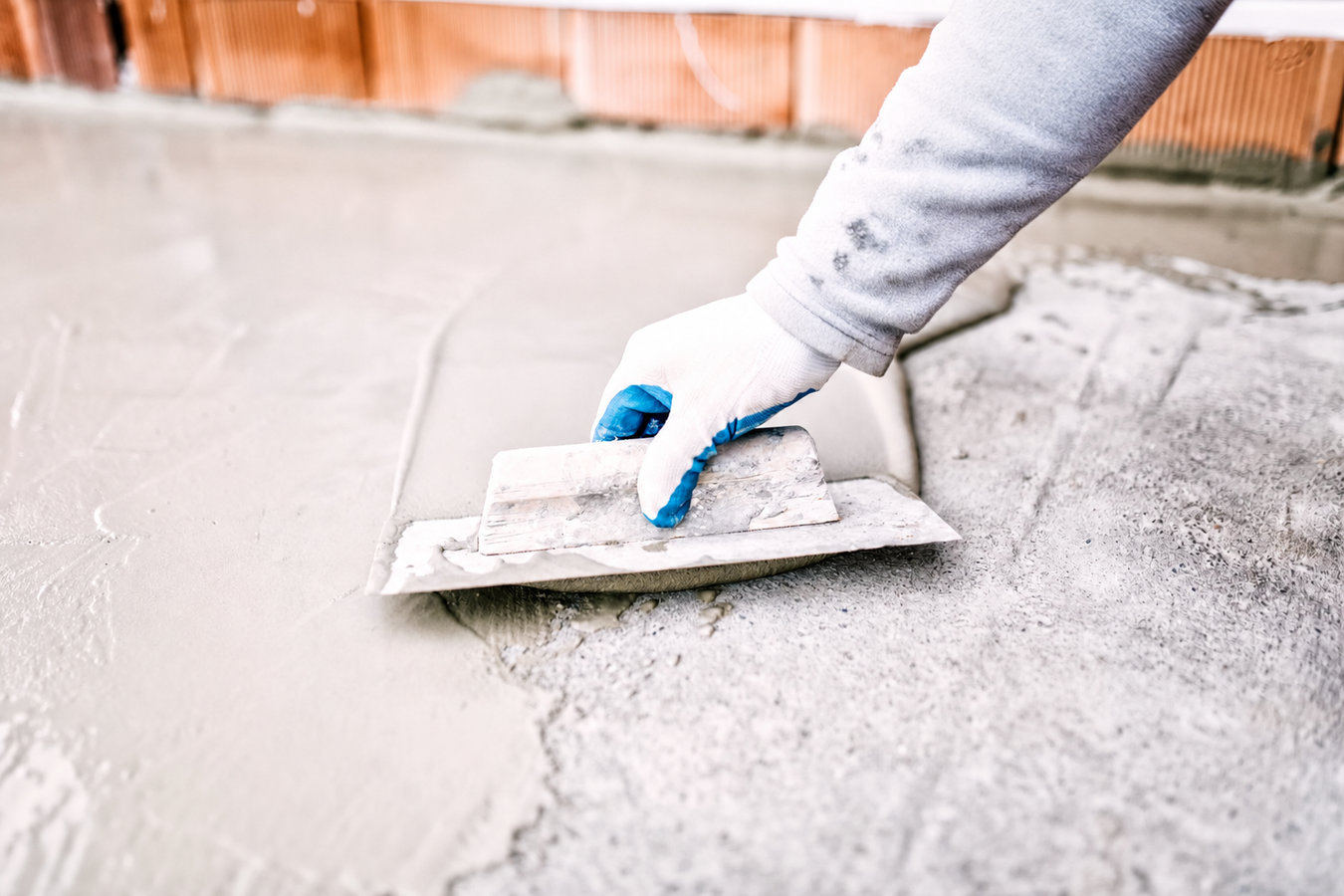
Self-leveling concrete in Marshall, TX is a specially mixed material that flows across an uneven floor and settles into a smooth, flat surface on its own - most single-room jobs take one to two days of active work, with a curing period of three to five days before heavy use.
Many Marshall homeowners first encounter this service when a flooring installer tells them their slab is too uneven for tile or vinyl to go down correctly. That is not a minor issue - an uneven base is the single most common reason new flooring cracks, separates, or bubbles within a year or two of installation. Self-leveling concrete fills those low spots and gives the new floor a stable, flat foundation. For slabs that have settled significantly but are otherwise solid, this is far less disruptive and less expensive than tearing out the slab entirely. If the surface also needs cosmetic work, we can follow leveling with a concrete resurfacing overlay to give you a finished look in one project.
Decorative overlays are a separate but related option. Where self-leveling compounds are prep materials - they go under your new flooring - overlays are meant to be the finished surface. They can be stained, textured, or polished and are increasingly popular in Marshall living areas and covered patios where homeowners want a durable, low-maintenance floor with a custom appearance.
If water pools in certain spots on your floor, or furniture rocks slightly even on a hard surface, your slab has likely settled unevenly. This is one of the most common problems in Marshall homes built on clay soil, where the ground shifts with the seasons. A self-leveling pour can correct those low spots and give you a flat surface again without replacing the entire slab.
If tile has cracked, vinyl has bubbled, or laminate planks have started separating within a year or two of installation, the problem is almost always the surface underneath - not the flooring itself. An uneven or unstable slab transfers its movement up through whatever is laid on top of it. Leveling the slab before the next installation is the fix that actually lasts.
If the surface of your slab is rough, discolored, or has small pits but the slab itself is structurally sound, a decorative overlay can give it a completely fresh appearance. This is a common situation in Marshall homes where the original slab is decades old but still solid underneath. An overlay is far less expensive than replacing the slab entirely.
Walk your concrete floor and knock on it in different spots. A solid, dense sound is normal. A hollow, drum-like echo means the concrete has separated from the layer below - a condition called delamination - and that section is at risk of cracking under load. This is especially common in East Texas homes where moisture has worked its way under an older slab or a previous overlay.
We work on interior slabs throughout Marshall and Harrison County - living rooms, kitchens, hallways, garages, and utility spaces where an uneven or worn floor needs correction before new flooring goes in or as a finished surface on its own. Every job starts with a thorough slab cleaning and bonding primer application, because the new material has to stick to a properly prepared surface to hold. We also test for moisture before any pour, which is not optional in East Texas where groundwater levels stay elevated through much of the year. Skipping that step is how leveling jobs fail in six months instead of lasting a decade. For exterior surfaces that need similar treatment, our pool deck coatings and resurfacing service addresses worn outdoor slabs around pools and covered patios.
Decorative overlays can be applied over a freshly leveled slab or directly over a slab that is already flat but looks worn. Options include acid staining, water-based staining, exposed aggregate, and polished finishes. These are not paint - they bond to the concrete and hold up to everyday foot traffic and cleaning. We walk through finish options with you before any product is ordered, and we schedule pours during cooler parts of the day when Marshall temperatures are high to make sure the material cures evenly.
Suited for homeowners preparing an uneven slab for tile, hardwood, or luxury vinyl installation - fills low spots and corrects minor settling so new flooring bonds correctly.
Suited for older Marshall slabs with surface damage or settled sections that need structural correction before a decorative overlay or new flooring is applied.
Suited for living areas, kitchens, and covered patios where homeowners want a finished concrete surface with custom color, texture, or a polished appearance.
Suited for garage floors and utility spaces that need a clean, flat, sealed surface that resists oil, moisture, and the wear of daily use without a full slab replacement.
Marshall sits on clay-heavy Vertisol soils common throughout Harrison County that swell when wet and shrink when dry. Over years of seasonal cycles, that movement is one of the primary reasons interior slabs in this area develop low spots, cracks, and settled sections. Before any leveling material goes down, a contractor working in Marshall needs to assess whether the slab movement has stabilized - because applying a new layer to a slab that is still actively shifting just means the new layer will develop the same problems in a shorter time. This is local knowledge that a national chain or out-of-area crew simply does not have built in. Homeowners in Hallsville face the same underlying soil conditions and benefit from a contractor familiar with how East Texas clay behaves across the seasons.
High humidity is the other factor that shapes how this work is done in Marshall. With roughly 47 inches of rain per year and summer humidity that stays elevated for months at a time, slab moisture is an ongoing reality rather than an occasional concern. Self-leveling compounds and overlays are sensitive to both temperature and moisture during application and curing. Experienced local contractors schedule pours during cooler parts of the day, manage ventilation inside the space, and sometimes run dehumidification during the curing period - steps that make a real difference in whether the finished floor holds up for years. Homeowners in Waskom and other nearby communities in East Texas share these same climate conditions and the same need for a contractor who understands them.
We respond within one business day. We ask a few basic questions - the size of the area, what the floor looks like now, and what you are planning to do with it afterward. You do not need to have every answer - just describe what you are seeing and what you are hoping to end up with.
We come out before giving you a price. We check how uneven the surface is, look for cracks or damage, and test for moisture - especially important in Marshall where slab moisture is a common issue. After the visit you receive a written quote that explains what work will be done, what materials will be used, and how long the project will take.
On the day of work, the crew cleans the existing slab and applies a bonding primer. This step is not optional - it is what makes the new material stick. Cracks and damaged areas get repaired before anything is poured. This prep phase can take several hours and is just as important as the pour itself.
Once the primer has dried, the leveling compound or overlay material is mixed and applied. For leveling jobs, the material flows and settles on its own. For decorative overlays, the contractor applies, textures, and finishes by hand. Light foot traffic is typically safe within 24 hours, but plan on three to five days before moving furniture back or installing new flooring on top.
We test for moisture, check slab movement, and give you a written price before any work begins - no obligation, no sales pitch.
In Marshall's wet climate, skipping the slab moisture test before a pour is one of the most expensive shortcuts a contractor can take. We test every slab before any material goes down, and if moisture levels are too high, we address them first. That step protects your investment and is not something we charge extra for - it is just part of doing the job correctly.
The most common reason self-leveling jobs fail early is inadequate surface preparation - a dirty slab, a skipped primer coat, or a crack left unrepaired before the pour. Our process treats prep as the most important phase of the job. A well-prepped slab produces a floor that is solid, smooth, and free of hollow spots - and you can check that quality yourself by walking the floor after we are done.
We assess slab movement before every job because Marshall clay soil can still be active even when a floor looks stable. Applying leveling material to a slab that is shifting will not produce a lasting result. Knowing the local soil behavior - and how to read it - is the kind of experience that protects you from paying for work twice. The American Concrete Institute at concrete.org sets the standards we follow for overlay bonding and surface tolerance.
You receive a clear written estimate that covers prep, materials, labor, and the curing timeline before anyone picks up a tool. No vague quotes that grow once work starts. If your project turns out to need more prep than initially visible - additional crack repair, for example - we discuss that with you before proceeding, not after.
Self-leveling concrete work done right produces a floor that is quiet underfoot, free of hollow spots, and flat enough to hold new flooring for years. That result starts with thorough assessment, not a fast pour.
Worn or slippery pool decks get a fresh, durable coating or overlay that handles East Texas sun, water, and foot traffic.
Learn MoreFor driveways, patios, and slabs that need a full surface refresh without tear-out - a resurfacing overlay bonds to the existing concrete and gives you a clean start.
Learn MoreMarshall summers book fast - call today and we will get out to assess your slab and give you a clear written price before the good-weather window closes.